

- Your cart is empty Browse Shop
Pure A2 milk from Indian Desi Cows
Dehradun’s first organic dairy, focused on purity, consistency, and everyday family nutrition.
Pure A2 Dairy Products
Fresh milk, traditionally prepared Desi Ghee, Paneer, Dahi, and select farm products — made with care, not shortcuts.
Desi Gir Cow Ghee
Slowly prepared Desi Ghee from Pure A2 milk, using traditional methods that preserve Aroma, Taste, and Purity.
 Our Cows
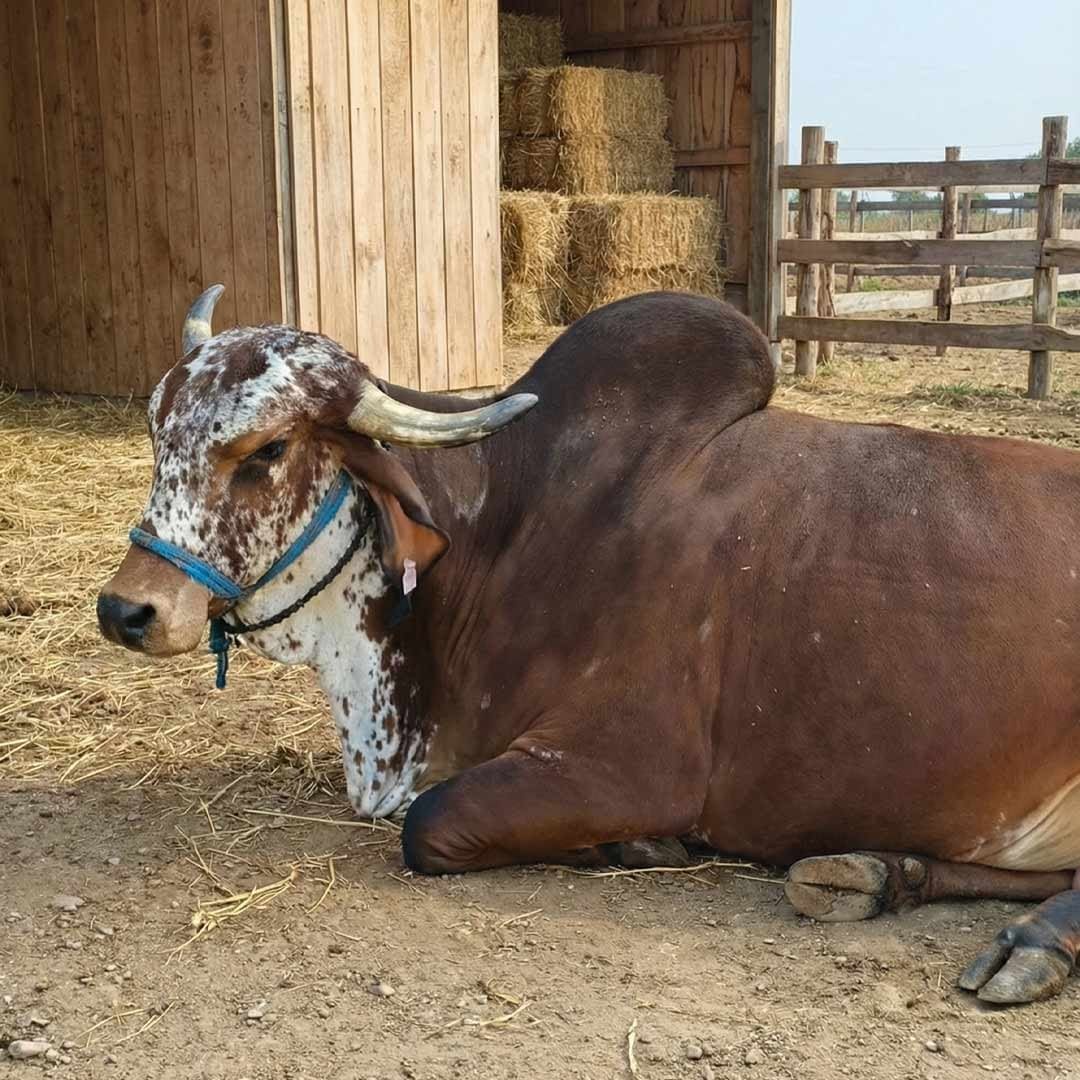
 Desi Gir Cow
The Desi Gir Cow is one of India’s most respected indigenous cattle breeds, originating from the Gir forest region of Gujarat. This ancient breed has been nurtured for centuries and is well adapted to India’s climate. Known for its long curved ears, prominent hump, and calm nature, the Gir cow is naturally resilient and thrives in traditional farming environments.
Gir cows are valued for producing pure A2 milk, which is easier to digest and rich in essential nutrients. Their strong natural immunity reduces the need for antibiotics, making them ideal for organic and in-house dairy farming. With low resource requirements and high adaptability, the Desi Gir Cow supports sustainable agriculture while preserving India’s rich dairy and Ayurvedic heritage.
Origin
The Desi Gir Cow originates from the Gir forest region of Gujarat, India, particularly across districts such as Junagadh, Amreli, Bhavnagar, and Rajkot. This breed has evolved naturally over centuries in the dry and semi-arid climate of western India, making it highly adaptable to heat and local environmental conditions.
Traditionally reared by pastoral and farming communities, the Gir cow developed strong physical traits such as a prominent hump, long pendulous ears, and a robust body structure. These characteristics helped the breed survive harsh climates and long grazing hours, establishing the Gir cow as one of the most important and well-preserved indigenous cattle breeds of India.
At our farm, we rear pure Desi Gir cows with a strong focus on natural care, comfort, and ethical dairy practices. Gir cows are one of India’s most valued indigenous breeds, and their population has been steadily increasing as more farmers and consumers recognise their importance. We maintain a limited, well-managed herd to ensure individual attention, animal welfare, and consistent milk quality rather than large-scale commercial production.
Summer (March–June):
During summer, our Gir cows are provided with continuous access to clean drinking water, ample shaded resting areas, and cooling support such as fans or water misting where required. Heat stress can reduce feed intake and milk yield, so special focus is given to balanced nutrition through fresh green fodder along with quality concentrates.
Monsoon (July–September):
In the monsoon season, maintaining dry and hygienic shelters is essential to prevent hoof, skin, and fungal infections. While green fodder is abundant, stored feed is carefully monitored to avoid fungal growth and mycotoxins caused by high humidity. Regular deworming and timely vaccinations are strictly followed during this period.
Winter (October–February):
Gir cows adapt well to mild cold, but Dehradun’s cooler winter nights require additional care. We provide dry bedding, protection from cold winds and dampness, and energy-rich feed such as good-quality hay and concentrates to maintain body warmth and stable milk production.
 Our Cows
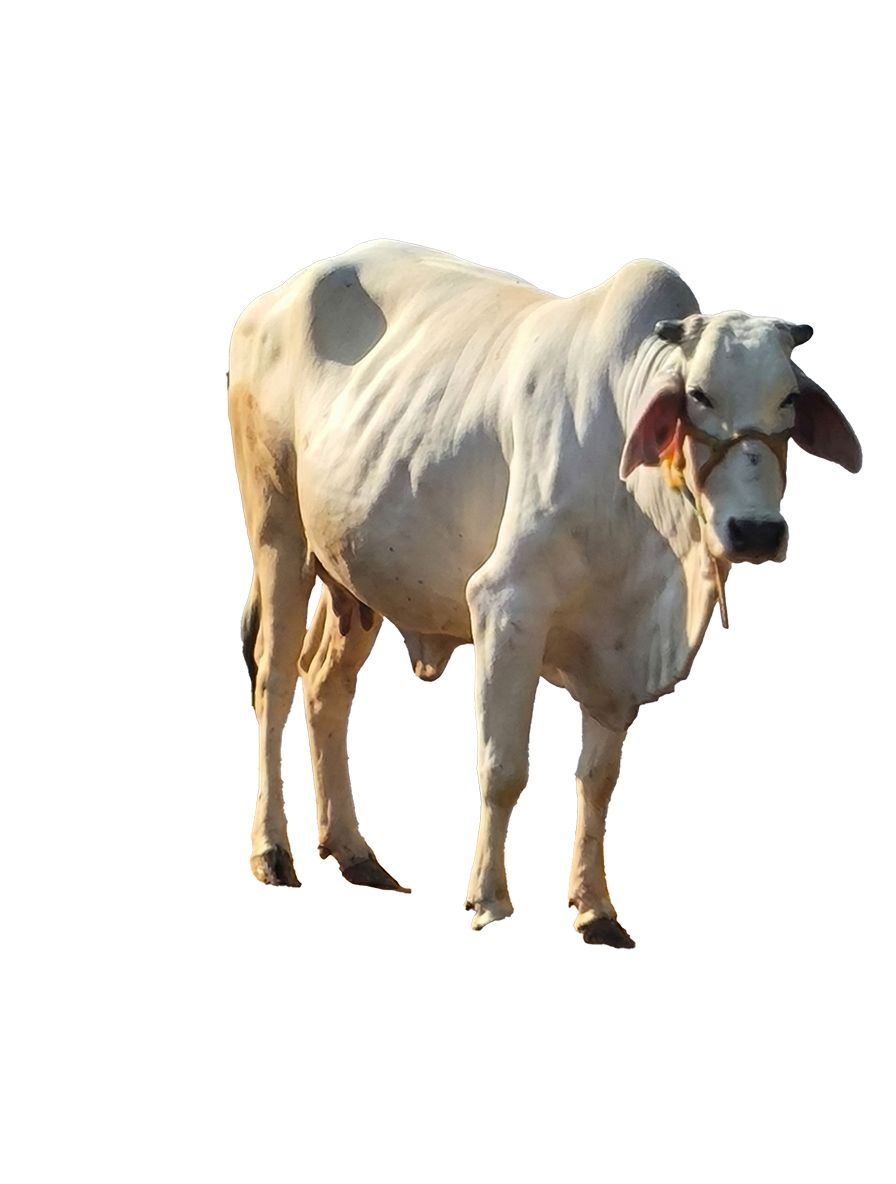
 Desi Tharparkar
The Tharparkar cow is a well-known indigenous cattle breed that originates from the Thar Desert region, covering western Rajasthan in India and adjoining areas of Sindh. This breed developed over centuries in harsh desert conditions marked by extreme heat, low rainfall, and limited fodder availability. As a result, the Tharparkar cow is naturally strong, adaptable, and resilient.
Characterised by its white to light grey coat, sturdy body structure, and calm temperament, the Tharparkar cow is valued both for dairy and draft purposes. Its ability to maintain good health and steady milk production under challenging climatic conditions has made it one of the most reliable and respected native breeds in India.
Origin
The Tharparkar cow originates from the Thar Desert region, spanning western Rajasthan in India and the adjoining Sindh region. This breed evolved over centuries in extreme desert conditions characterised by high temperatures, low rainfall, and limited vegetation. Due to this natural selection, the Tharparkar cow developed strong endurance, efficient feed utilisation, and high resistance to harsh climatic stress, making it one of India’s most resilient indigenous cattle breeds.
Tharparkar cows originate from arid desert regions, which makes them naturally hardy but also sensitive to cold, damp, and prolonged humidity. Unlike hill or cold-climate breeds, they require thoughtful management in regions like Dehradun, especially during winter. Tharparkar cows are adapted to dry heat and low moisture. Excessive cold, damp flooring, and high humidity can lead to stress, reduced feed intake, lower milk yield, and a higher risk of respiratory or joint issues. Sudden weather changes and prolonged wetness are more challenging for them than heat.
Winter Care in Dehradun (October–February)
During Dehradun’s winters, we provide completely dry, wind-protected shelters with proper ventilation to avoid moisture buildup. Thick, dry bedding is essential to protect joints and prevent cold stress during chilly nights. Their diet is adjusted to include energy-rich roughage, good-quality hay, and balanced concentrates to help maintain body warmth and milk production. Clean, slightly warmed drinking water is ensured during early mornings and nights to prevent temperature shock.
Regular health monitoring is especially important in winter, as Tharparkar cows may not show early signs of cold stress. With proper shelter, nutrition, and attentive care, they adapt well and continue to perform steadily even in Dehradun’s cooler climate.
Our Cows Desi Red Sindhi
The Red Sindhi cow is a well-known indigenous dairy breed valued for its consistent milk production, calm temperament, and strong adaptability to tropical conditions. It is easily recognised by its distinctive reddish-brown coat and medium, well-proportioned body structure. Red Sindhi cows are known for their disease resistance, long productive life, and ability to maintain milk yield even under moderate feeding conditions, making them suitable for sustainable and organic dairy farming.
Origin
The Red Sindhi breed originates from the Sindh region, which is now largely in Pakistan, with historical spread across parts of western India. The breed developed in hot and semi-arid climatic conditions, leading to strong heat tolerance and efficient feed utilisation. Over time, Red Sindhi cows gained international recognition and were widely used to improve dairy productivity in tropical and subtropical regions across the world.
Red Sindhi cows are naturally adapted to hot, dry climates. Cold winds, damp floors, and prolonged winter moisture can cause stress, reduced feed intake, joint discomfort, and a drop in milk yield. Because of this, shelter quality and dryness are critical for their well-being.
Our Winter Care in Dehradun (October–February)
During winter, we provide dry, wind-protected shelters with proper ventilation to prevent humidity buildup. Thick, clean bedding is used to keep the animals warm and protect their joints during cold nights. Their diet is enriched with good-quality hay, balanced concentrates, and essential minerals to support body warmth and maintain milk production. Clean drinking water is ensured at all times, avoiding very cold water during early mornings.
Our Year-Round Practices
Throughout the year, we follow balanced feeding, strict hygiene, regular deworming, timely vaccination, and daily health monitoring. With this approach, our Red Sindhi cows remain healthy, calm, and productive, producing nutritious milk suitable for our in-house and organic dairy standards.
Our Cows Desi Sahiwal
At our organic Dairy, we rear Sahiwal cows, one of India’s finest indigenous dairy breeds, valued for their superior milk quality, gentle temperament, and strong natural disease resistance. Recognised by their rich reddish-brown coat, loose skin, and well-developed udder, Sahiwal cows are known for their consistency and reliability as dairy animals. They are among the highest milk-producing desi breeds and adapt well to ethical, in-house, and organic dairy farming systems, making them an ideal choice for producing pure and trustworthy milk.
Origin
The Sahiwal breed originates from the Sahiwal region of Punjab, now located in present-day Pakistan, with a historical presence across northern India. The breed evolved in hot and semi-arid climatic conditions, developing strong heat tolerance, efficient feed utilisation, and high resilience. Over time, Sahiwal cows gained national and international recognition for their superior dairy performance and adaptability to tropical and subtropical environments.
We manage Sahiwal cows with a focus on comfort, hygiene, and balanced nutrition throughout the year. Although Sahiwal cows are hardy and well adapted to warm climates, thoughtful care is required in Dehradun due to cooler winters and higher humidity.
Why Sahiwal Cows Need Careful Management
Sahiwal cows are naturally suited to hot and semi-arid regions. Exposure to cold winds, damp housing, and prolonged winter moisture can cause stress, reduced feed intake, joint stiffness, and a drop in milk yield. Maintaining dry and well-ventilated shelters is therefore essential.
Our Winter Care in Dehradun (October–February)
During winter, we provide dry, wind-protected shelters with proper ventilation to avoid humidity buildup. Thick, clean bedding is used to ensure warmth and joint comfort during cold nights. Their diet is supported with good-quality hay, balanced concentrates, and essential minerals to maintain energy levels and consistent milk production. Clean drinking water is ensured at all times, avoiding very cold water during early mornings.
Our Year-Round Practices
Across all seasons, we follow balanced feeding, strict hygiene, regular deworming, timely vaccination, and daily health monitoring. With attentive care and proper shelter, our Sahiwal cows remain healthy and productive, producing nutritious milk that meets our standards of purity, sustainability, and trust.
The Desi Gir Cow originates from the Gir forest region of Gujarat, India, particularly across districts such as Junagadh, Amreli, Bhavnagar, and Rajkot. This breed has evolved naturally over centuries in the dry and semi-arid climate of western India, making it highly adaptable to heat and local environmental conditions.
Traditionally reared by pastoral and farming communities, the Gir cow developed strong physical traits such as a prominent hump, long pendulous ears, and a robust body structure. These characteristics helped the breed survive harsh climates and long grazing hours, establishing the Gir cow as one of the most important and well-preserved indigenous cattle breeds of India.
Our Cows Desi Gir Cow
The Desi Gir Cow is one of India’s most respected indigenous cattle breeds, originating from the Gir forest region of Gujarat. This ancient breed has been nurtured for centuries and is well adapted to India’s climate. Known for its long curved ears, prominent hump, and calm nature, the Gir cow is naturally resilient and thrives in traditional farming environments.
Gir cows are valued for producing pure A2 milk, which is easier to digest and rich in essential nutrients. Their strong natural immunity reduces the need for antibiotics, making them ideal for organic and in-house dairy farming. With low resource requirements and high adaptability, the Desi Gir Cow supports sustainable agriculture while preserving India’s rich dairy and Ayurvedic heritage.
Our Cows Desi Tharparkar
The Tharparkar cow is a well-known indigenous cattle breed that originates from the Thar Desert region, covering western Rajasthan in India and adjoining areas of Sindh. This breed developed over centuries in harsh desert conditions marked by extreme heat, low rainfall, and limited fodder availability. As a result, the Tharparkar cow is naturally strong, adaptable, and resilient.
Characterised by its white to light grey coat, sturdy body structure, and calm temperament, the Tharparkar cow is valued both for dairy and draft purposes. Its ability to maintain good health and steady milk production under challenging climatic conditions has made it one of the most reliable and respected native breeds in India.
Our Cows Desi Red Sindhi
The Red Sindhi cow is a well-known indigenous dairy breed valued for its consistent milk production, calm temperament, and strong adaptability to tropical conditions. It is easily recognised by its distinctive reddish-brown coat and medium, well-proportioned body structure. Red Sindhi cows are known for their disease resistance, long productive life, and ability to maintain milk yield even under moderate feeding conditions, making them suitable for sustainable and organic dairy farming.
Our Cows Desi Sahiwal
At our organic Dairy, we rear Sahiwal cows, one of India’s finest indigenous dairy breeds, valued for their superior milk quality, gentle temperament, and strong natural disease resistance. Recognised by their rich reddish-brown coat, loose skin, and well-developed udder, Sahiwal cows are known for their consistency and reliability as dairy animals. They are among the highest milk-producing desi breeds and adapt well to ethical, in-house, and organic dairy farming systems, making them an ideal choice for producing pure and trustworthy milk.